If you picture central Oklahoma City as all high-rises, traffic, and late-night noise, the reality is more balanced than that. Urban living here is less about living in a massive city and more about having daily conveniences, entertainment, and housing choices close together. If you are thinking about buying, relocating, or simply trying to decide whether an urban lifestyle fits you, this guide will help you understand what central OKC is really like. Let’s dive in.
What Central Oklahoma City Means
When people talk about central Oklahoma City, they usually mean the downtown urban core and the districts around it, not one single neighborhood. According to the City of Oklahoma City’s downtown planning area, this core is roughly bounded by the Oklahoma River, Western Avenue, NW 13th Street, and the I-235/I-35 corridor.
Within that area, downtown OKC is organized into six districts: City Center, Bricktown, West Village, Midtown, Deep Deuce, and Automobile Alley. That matters because your day-to-day experience can feel different depending on where you live, even though all of these districts are part of the same urban core.
Urban Life Feels More Connected
One of the biggest differences between central OKC and the suburbs is how close everything feels. The city’s planning framework describes downtown as the most intense development area in Oklahoma City, where businesses, housing, offices, destinations, and amenities are kept in close proximity.
In practical terms, that means you are more likely to live near restaurants, parks, offices, entertainment, and transit options. You may still drive often, but you have more chances to walk, bike, or take the streetcar for everyday outings.
Mixed-use is part of daily life
In many suburban areas, homes, shopping, offices, and entertainment are spread out. In central OKC, those uses are more blended together. That creates a lifestyle where grabbing coffee, heading to work, meeting friends for dinner, or spending time in a park can happen within a smaller area.
That design is a big reason central OKC feels more pedestrian-oriented than much of the metro. It is urban, but it is still Oklahoma City, so the pace tends to feel more manageable than in much larger downtowns.
Housing Options May Surprise You
A lot of buyers assume urban living in OKC means choosing between a small apartment or nothing. In reality, the housing mix is broader than many people expect.
The Downtown Living Guide highlights boutique apartment communities in Midtown, historic adaptive-reuse residences in City Center, studio-to-three-bedroom high-rise options, and townhomes in central districts. The city’s zoning and land use planning also show housing types that range from single homes and townhomes to lofts and apartments.
You can find more than high-rise living
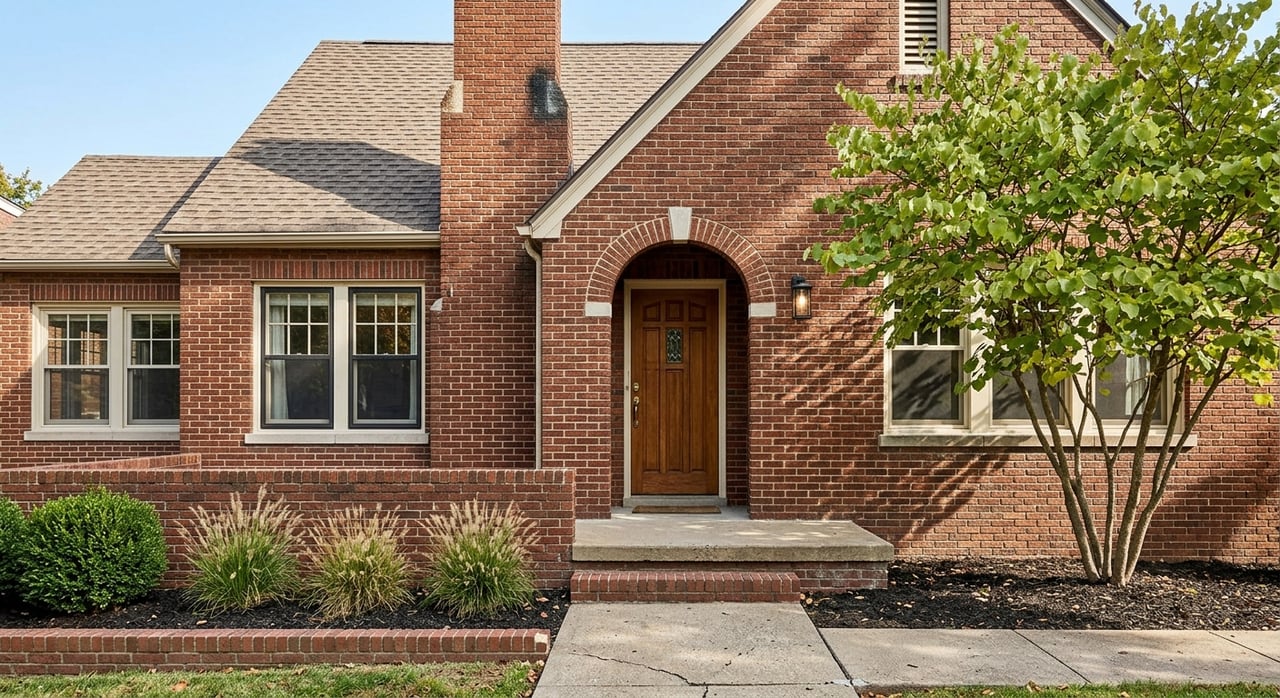
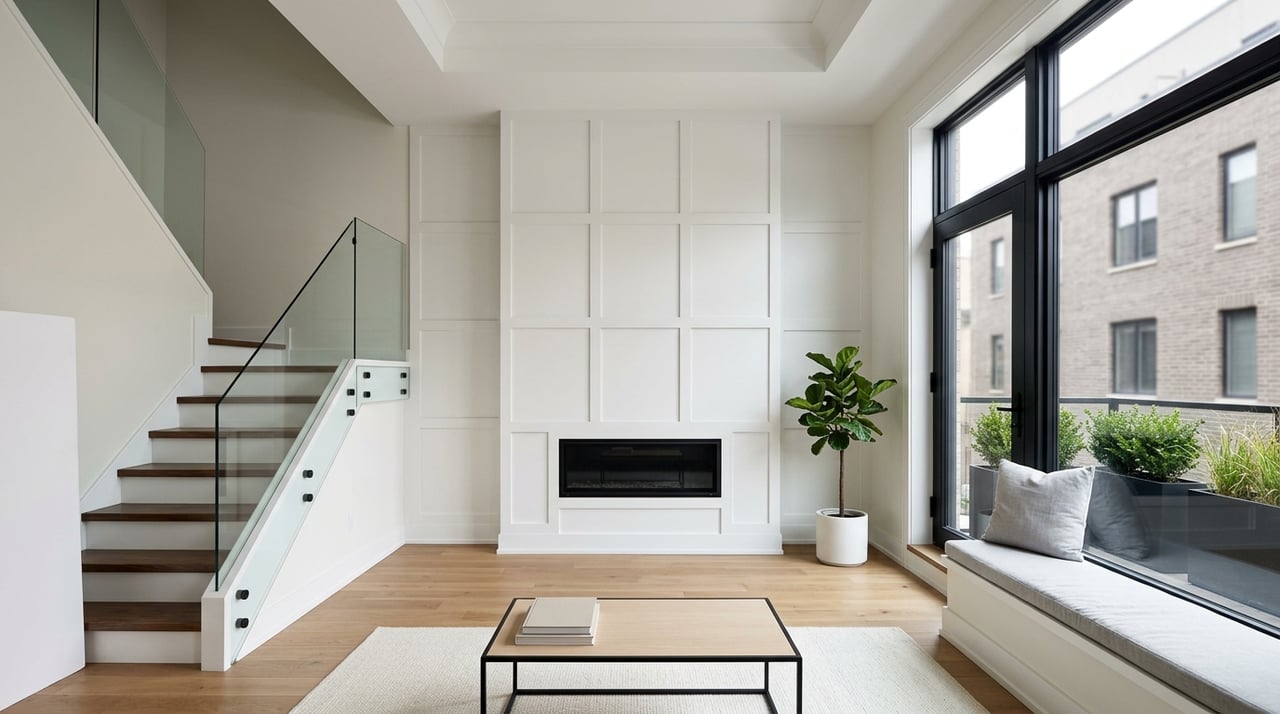
If you want a true lock-and-leave condo-style lifestyle, central OKC offers options that fit that goal. If you prefer something with a little more privacy or a lower-rise feel, townhomes, loft-style homes, and some older single-family housing can also be part of the search.
That variety is one of the strongest advantages of the area. You can often choose the kind of home that fits your routine without giving up the convenience that draws people to the urban core in the first place.
Infill housing adds flexibility
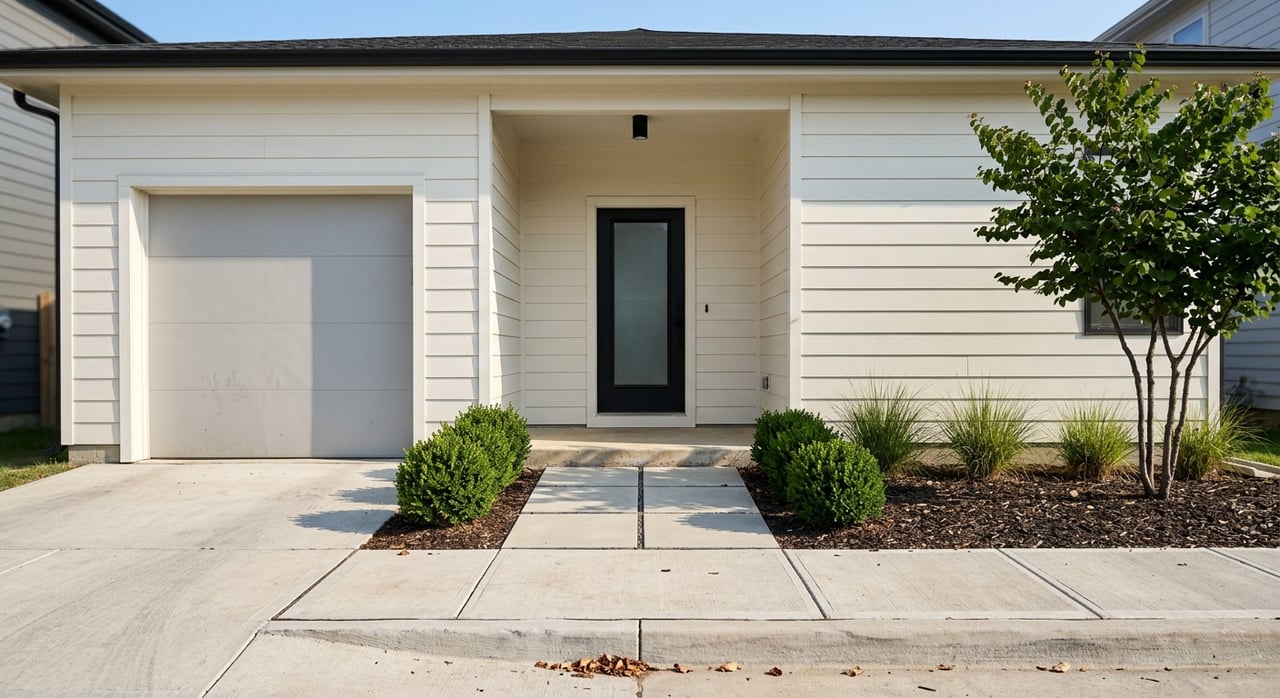
The city has also approved accessory dwellings in certain urban areas and allows more infill options in Urban Medium areas, including two-to-four-unit housing and garage apartments. For buyers, that helps explain why central neighborhoods can offer a denser feel without being made up entirely of towers.
This is especially helpful if you want urban access but do not necessarily want a full high-rise environment. In central OKC, there is a middle ground between suburban sprawl and big-city density.
Getting Around Works Differently
Transportation is one of the clearest lifestyle shifts when you move into the core. EMBARK provides 23 fixed bus routes, RAPID bus rapid transit, the OKC Streetcar, ADA paratransit, and downtown parking services.
The streetcar connects downtown, Midtown, Bricktown, and Automobile Alley, with stops near major destinations like Scissortail Park and Paycom Center. The system is ADA accessible, and downtown also includes the Underground, a weekday tunnel and skywalk network that links many buildings and parking garages across more than 20 blocks.
You may drive less for small trips
Most OKC residents still rely on a car, and that remains true in central areas too. But the difference is that many shorter trips can be handled without driving every time.
Depending on where you live, you may be able to walk to coffee shops, dinner spots, parks, or events. Bike lanes, scooter access, and nearly 100 miles of multi-use trails across the city also add more ways to move around.
Parking still matters
Urban living in OKC is not the same as car-free living in some larger cities. Parking still matters, and driving is still part of life for most people. The main benefit is flexibility, not complete independence from your vehicle.
That makes central OKC a practical option for buyers who want more convenience and connectivity without giving up the ease of driving when they need it.
Parks and Public Spaces Shape Daily Life
One thing that surprises many buyers is how much green space and public space affect the urban experience. Scissortail Park is a 70-acre urban park stretching from downtown toward the Oklahoma River, and it plays a major role in how people use the area.
The Downtown Living Guide also points to Myriad Botanical Gardens and the Oklahoma River Trails as everyday amenities for fitness classes, concerts, markets, festivals, and other events. These spaces give the urban core room to breathe.
Central OKC is active year-round
Living in the core often means having easier access to public events without a long drive. Parks and civic spaces host recurring activities that can become part of your weekly routine, whether that means a walk, a workout, a seasonal market, or a weekend event.
That gives central OKC a more lived-in feel. It is not just a place people commute into. It is a place where residents spend time outside and stay connected to what is happening around them.
Arts, Dining, and Entertainment Stay Close
If you want culture and entertainment near home, central OKC delivers a concentrated version of that lifestyle. Oklahoma Contemporary, Civic Center Music Hall, and the Oklahoma City Museum of Art are all part of the downtown experience, and the city’s public art program adds visible art to places like Scissortail Park, Bricktown, the Convention Center, and Civic Center Music Hall.
Dining and nightlife are also clustered by district. Downtown OKC organizes much of the area around Eat + Drink and Nightlife, and current downtown living materials repeatedly describe Midtown, City Center, and West Village as being close to restaurants, bars, coffee shops, retail, entertainment, and dining.
Districts give each area a different feel
One reason people enjoy central OKC is that each district has its own rhythm. Some areas feel more centered on offices and daytime activity, while others feel more tied to restaurants, nightlife, or event venues.
That can be a real advantage when you are choosing where to live. You can focus your search around the kind of daily routine you want, whether that means easier access to work, quieter evenings, more dining choices, or proximity to events.
Workweek and Weekend Feel Different
Central OKC has a rhythm that shifts throughout the day and week. The area is anchored by major public-sector and institutional employers, including the Oklahoma State Capitol, the University of Oklahoma Health Sciences Center, UCO Downtown, and Oklahoma City University School of Law nearby.
During weekdays, offices, hospitals, government, and campus activity shape the pace of the area. Around lunch and after work, activity tends to cluster around the streetcar-connected districts.
Evenings and weekends feel more social
After business hours, the focus shifts. Parks, performances, sports, dining, and special events take on a bigger role.
Downtown residents are minutes from Thunder games and concerts at Paycom Center, baseball at Chickasaw Bricktown Ballpark, and major annual events like the Festival of the Arts and the Oklahoma City Memorial Marathon. If you enjoy having things to do close by, this is a major part of the appeal.
What Urban Living Is Really Like for Buyers
For many buyers, the biggest takeaway is simple: central Oklahoma City offers urban convenience without extreme density. The housing stock includes apartments, lofts, townhomes, and older low-rise homes, while the planning and layout keep destinations relatively close together.
That combination can work well if you want to be near action without feeling overwhelmed by it. It can also be a strong fit if you are relocating and want an easier landing spot close to work, amenities, and transportation options.
It may be a good fit if you want
- A more walkable daily routine
- Easy access to restaurants, parks, and events
- Housing choices beyond standard suburban subdivisions
- A shorter trip to downtown employers and institutions
- An urban lifestyle that still feels manageable
It may take adjustment if you prefer
- Larger lots and more separation between uses
- Quiet streets at all times of day
- Minimal parking considerations
- A lifestyle centered almost entirely around driving
How to Approach a Central OKC Home Search
If you are considering a move into central OKC, it helps to narrow your priorities before touring homes. Start with your routine. Think about how often you want to walk to destinations, how important parking is to you, and whether you prefer a high-rise, loft, townhome, or lower-rise home.
It is also smart to compare districts instead of treating downtown as one single area. Bricktown, Midtown, City Center, Deep Deuce, West Village, and Automobile Alley each offer a slightly different mix of housing, activity, and access.
For first-time buyers and relocation clients, this kind of search often goes best when you have a local guide who can help you connect lifestyle goals with the right part of the city. That is especially true if you are balancing commute needs, budget, home style, and day-to-day convenience all at once.
If you are trying to figure out whether central OKC fits your goals, talking through your options with Brandon Jackson can help you make a confident move with clear local insight.
FAQs
What is considered central Oklahoma City for homebuyers?
- Central Oklahoma City generally refers to the downtown urban core and nearby districts, including City Center, Bricktown, West Village, Midtown, Deep Deuce, and Automobile Alley.
What types of homes are available in central Oklahoma City?
- Buyers can find a mix of boutique apartments, high-rise residences, lofts, townhomes, historic adaptive-reuse properties, and some older single-family housing.
Is central Oklahoma City walkable for daily living?
- Many daily trips can be easier on foot, by bike, or by streetcar than in suburban areas, though most residents still use a car for at least part of their routine.
What transportation options are available in downtown Oklahoma City?
- Central OKC includes EMBARK bus service, RAPID bus rapid transit, the OKC Streetcar, ADA paratransit, downtown parking services, and the Underground tunnel and skywalk network.
What amenities do residents use in central Oklahoma City?
- Residents commonly use places like Scissortail Park, Myriad Botanical Gardens, the Oklahoma River Trails, arts venues, restaurants, entertainment districts, and sports venues near downtown.
Is central Oklahoma City only for renters?
- No. The area includes a broader housing mix than many buyers expect, with options that include townhomes, lofts, and other for-sale housing alongside rental communities.