Wondering how to sell a historic Edgemere Park home without losing time, money, or peace of mind? If you own a home in this neighborhood, you are not just selling square footage. You are selling history, character, and a property that comes with specific city review rules. This guide will help you prepare, market, and answer buyer questions with confidence. Let’s dive in.
Why Edgemere Park listings stand apart
Edgemere Park is one of Oklahoma City’s locally designated Historic Preservation Districts. That matters because changes to buildings, demolitions, and new construction in HP or HL zones require a Certificate of Approval from the city. In short, your home may attract buyers who love historic character, but they also need clear expectations about what ownership can involve.
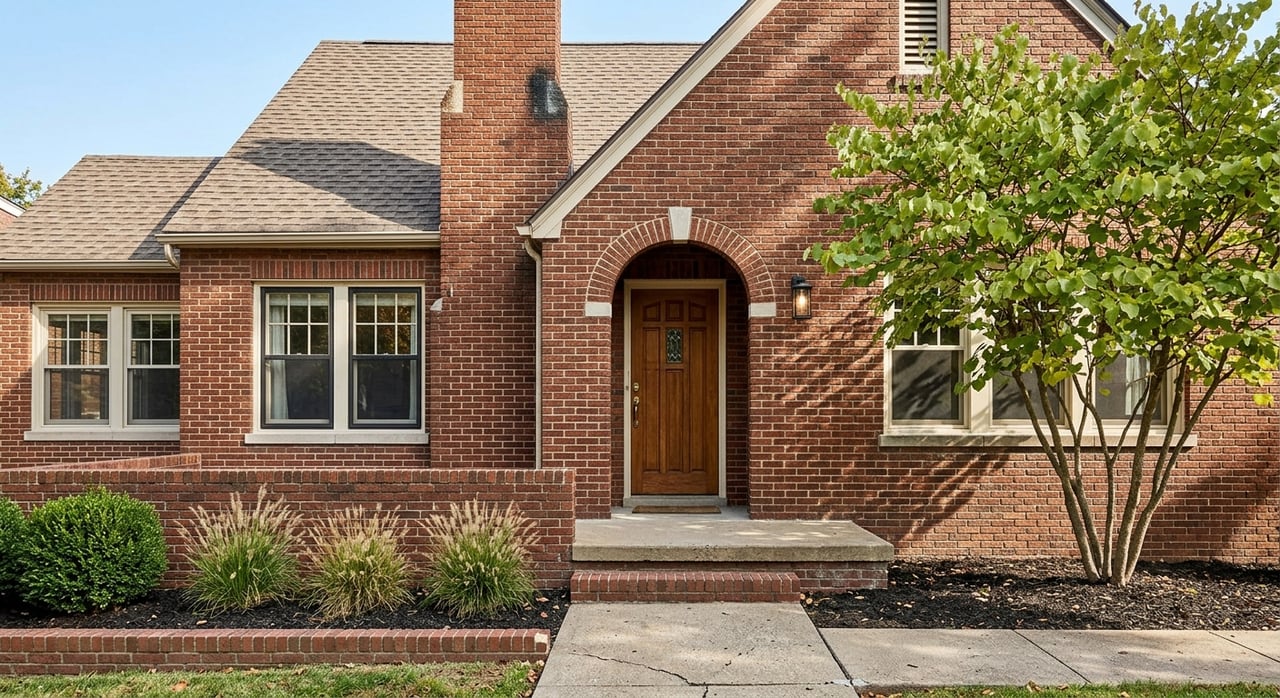
The neighborhood’s identity is a big part of its appeal. The original district nomination describes Edgemere Park as a park-centered residential area of about 300 homes on gently rolling land around a Deep Fork tributary. Many homes date to the late 1920s and 1930s, with brick bungalows and larger Harvey Parkway homes featuring details like Mexican tile, carved timbering, cast stone, wrought iron, and brick ornamentation.
That history shapes how buyers see value. In Edgemere Park, curb appeal is not just about a fresh look. It is also about streetscape continuity, compatibility, and how the home fits its historic surroundings.
Start with the right paperwork
When you sell a historic home, records help you build trust fast. Buyers often want to know what has been updated, what is original, and whether past work followed city requirements. A well-organized paperwork package can answer those questions before they slow down your sale.
Try to gather these items before your home goes live:
- Permits for completed work
- Certificate of Approval records for exterior changes, if applicable
- Repair receipts and contractor invoices
- Foundation repair documents
- Engineer reports, if you have them
- Roof or drainage repair records
- Lead-safe renovation paperwork for applicable projects
This preparation matters in Edgemere Park because exterior work may be reviewed by the city. It also matters because many homes in the district were built before 1978, which makes lead-based paint disclosure a real issue for sellers of older housing.
Focus on older-home pressure points
A standard Oklahoma home inspection is a visual review of readily accessible systems and components. State rules say inspectors review items such as structural components, lot drainage, roofing, electrical, plumbing, and heating or air-conditioning systems. They are not required to provide a technically exhaustive analysis, identify concealed defects, or determine the remaining life of systems.
That limited inspection scope means buyers may still ask deeper follow-up questions, especially in an older neighborhood like Edgemere Park. Based on the district’s age and housing mix, the areas most likely to draw attention include foundations or crawl spaces, basements, roof drainage, chimneys, masonry, windows, porches, and older mechanical systems.
If you already know of past repairs or recurring issues, it is better to prepare now than react later. Clear records can make a big difference in how a buyer interprets an old-house concern.
Foundation movement is a common concern
Oklahoma’s 2024 hazard mitigation plan notes that expansive soils swell when wet and shrink when dry. That movement can cause structures to shift unevenly and often leads to foundation repair. In a historic home, buyers may notice stair-step cracks, sloping floors, sticking doors, or signs of prior work.
If your home has had foundation work, documentation is your friend. Repair invoices, warranties, engineer reports, and maintenance notes can help frame the issue as managed rather than mysterious.
Drainage and masonry deserve attention
Historic homes often perform best when water is managed well. Since Oklahoma inspections include lot drainage and roofing, buyers may pay close attention to gutter performance, grading, basement moisture history, and any visible stress in masonry or chimneys.
Before listing, take a practical look at how water moves around your house. If you have completed drainage improvements or masonry repairs, include those records in your pre-listing file.
Market character, not over-improvement
One of the biggest mistakes sellers make with historic homes is trying to make them feel too new right before listing. In Edgemere Park, authenticity is often part of what buyers want. The strongest marketing usually highlights the details that make the home true to its period and setting.
That can include features such as:
- Brick construction
- Original woodwork
- Oak floors
- Tiled baths
- Coved or vaulted ceilings
- Wrought iron details
- Cast stone elements
- Park or creek setting
These features help a buyer understand why the home is special. They also align with the district’s documented architectural character.
Repairs usually beat cosmetic reinvention
The National Park Service’s rehabilitation standards emphasize preserving historic materials and character, repairing features instead of replacing them when possible, and making compatible changes when replacement is needed. For a seller, the practical takeaway is simple: show care, not over-renovation.
Clean, repair, and document what you can. Avoid last-minute exterior changes that clash with the home’s scale, design, or materials. A rushed “update” can create more questions than value, especially in a district where compatibility matters.
Check exterior work before you do it
If you are thinking about exterior improvements before listing, do not assume the work counts as simple maintenance. Oklahoma City allows ordinary maintenance and repair, but some projects may still require a Certificate of Appropriateness or related city review. If an application is denied, no building permit is issued for that project.
That makes pre-listing planning especially important. If you are unsure whether a repair or exterior change needs approval, getting clarity first is the safer path.
Prepare for buyer questions early
Historic-home buyers tend to ask focused, practical questions. In Edgemere Park, those questions often center on originality, updates, remaining maintenance, and the district rules that affect future changes. If you can answer those questions quickly and clearly, you reduce friction.
Here are some of the most likely topics buyers will raise.
What is original and what has been updated?
Buyers want a clear picture of the home’s story. They often appreciate knowing which finishes or architectural details are original and which systems or components have been modernized over time.
A simple written summary can help. You do not need to oversell the house. Just present the facts in an organized way.
Can the exterior be changed later?
In HP zones, changes to buildings, demolitions, and new construction require city review and a Certificate of Approval. Buyers do not always know that upfront, so it helps to explain it early in the process.
This is not necessarily a negative. For many buyers, the district protections are part of the appeal because they support the area’s historic character and visual consistency.
Will historic status raise property taxes?
Oklahoma City states that HP or HL designation alone is not a reason for higher ad valorem taxation. That can be a reassuring point for buyers who are unfamiliar with local historic district rules.
As with any ownership cost question, stick to the city’s stated position and avoid guessing beyond the available facts.
Should buyers worry about lead-based paint?
Because most Edgemere Park homes predate 1978, this is a reasonable question. Federal law requires sellers of most pre-1978 housing to disclose known lead information before sale or lease, and renovation or repair work can create lead dust.
If you have lead-safe renovation paperwork or records related to painted surfaces, include them in your file. Good documentation can make this conversation easier and more straightforward.
A simple pre-listing plan for Edgemere Park sellers
If you want a smoother sale, keep your approach disciplined and buyer-focused. Historic homes do best when the seller is prepared, transparent, and realistic about what makes the property special.
A solid pre-listing plan usually includes:
- Gather permits, approvals, and repair records.
- Review known issues involving foundation, drainage, masonry, roof, or mechanical systems.
- Organize any engineer reports, warranties, and lead-related documents.
- Identify original features worth highlighting in photos and marketing.
- Avoid unnecessary exterior changes without checking city requirements first.
- Prepare simple answers to common buyer questions about updates, maintenance, and district rules.
This kind of preparation helps you sell with fewer surprises. It also signals that your home has been cared for thoughtfully and responsibly.
Sell with confidence, not confusion
Selling a historic Edgemere Park home is different from selling a typical property, but different does not have to mean difficult. When you lead with records, respect the home’s character, and prepare for the questions buyers are most likely to ask, you put yourself in a much stronger position.
If you want steady, local guidance on how to position your home, prepare your listing, and manage the details from start to finish, schedule a free consultation with Brandon Jackson.
FAQs
What makes selling a home in Edgemere Park different from selling elsewhere in Oklahoma City?
- Edgemere Park is a locally designated Historic Preservation District, so certain exterior changes, demolitions, and new construction require city review and a Certificate of Approval.
What records should you gather before listing a historic Edgemere Park home?
- Try to collect permits, Certificate of Approval records, repair receipts, foundation documents, engineer reports, roof or drainage records, and any lead-safe renovation paperwork.
What do buyers usually ask about an Edgemere Park historic home?
- Buyers often ask what is original, what has been updated, what still needs attention, whether the exterior can be changed later, and whether there are concerns like foundation movement or lead-based paint.
What does a standard Oklahoma home inspection cover for an older home?
- Oklahoma inspections are visual reviews of readily accessible systems and components such as structure, drainage, roof, electrical, plumbing, and heating or air-conditioning, but they are not technically exhaustive.
Why is foundation movement a concern for older Oklahoma City homes?
- Oklahoma’s expansive soils can swell and shrink with moisture changes, which may cause uneven structural movement and lead to buyer questions about cracks, sloping floors, or prior repairs.
Do historic district rules in Edgemere Park automatically raise property taxes?
- No. Oklahoma City says HP or HL designation by itself is not a basis for higher ad valorem taxation.